Buy bezgrawitacji.eu ?
We are moving the project
bezgrawitacji.eu .
Are you interested in purchasing the domain
bezgrawitacji.eu ?
domain@kv-gmbh.de · 0541-91531010
Buy bezgrawitacji.eu ?
What is a fine art print?
A fine art print is a reproduction of an original artwork, such as a painting or drawing, that is created using a printing process. These prints are typically produced in limited editions and are considered to be high-quality, collectible works of art. Fine art prints can be made using various techniques, including lithography, etching, screen printing, and digital printing. They are often signed and numbered by the artist to indicate their authenticity and limited availability. **
What is the difference between visual art and fine art?
Visual art is a broad term that encompasses any form of art that is primarily visual in nature, including painting, drawing, sculpture, photography, and printmaking. Fine art, on the other hand, refers to a specific category within visual art that is created for aesthetic and intellectual purposes rather than for practical or utilitarian purposes. Fine art often involves a high level of skill and creativity, and is typically displayed in galleries and museums. In essence, all fine art is visual art, but not all visual art is considered fine art. **


Similar search terms for Fine art
Top-Angebote
Products related to Fine art:
-
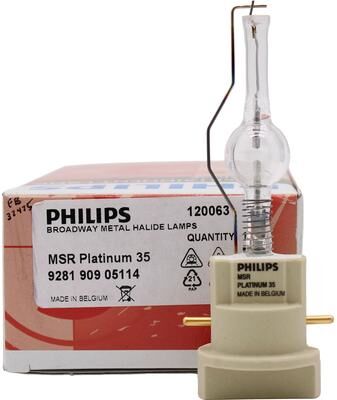
Philips MSR Platinum™ 35 Lamp for the FINE ART FINE 800SFPhilips MSR Platinum 35 Lamp for the FINE ART FINE 800SF is a 800 watt replacement bulb. FINE ART FINE 800SF Specifications: Technology: High-intensity discharge Type: Metal Halide Watts: 800W Ends: Single-ended Overall Length: 116mm Diameter: 24mm...299,99 $*Shipping: 0,00 $Secure redirect to the provider
-
Hahnemuehle Photo Rag Fine Art PaperThe popular "Photo Rag" is also available with an innovative satin coating. The result is a unique white quality that enables novel, creative inkjet applications. "Photo Rag Satin" lends FineArt reproductions and photographs a satiny sheen and is ideal where a slight surface variation is desired. The unprinted areas remain matte in this quality. This paper is also extremely age resistant and complies with the highest lifespan requirements.422,99 £*Shipping: 0,00 £Secure redirect to the provider
-
Osram LOK-IT 1000/PS Lamp for the Fine Art FINE 1000E BSWOsram LOK-IT 1000/PS Lamp for the Fine Art FINE 1000E BSW SPECIFICATIONS Rated Life Hours 750 Base PGJX36 Bulb Shape T Color Temperature 6000 Kelvin Volts 85 Watts 1000 Product features eXtreme Seal technology for discharge lamps Product benefits...228,99 $*Shipping: 0,00 $Secure redirect to the provider
-
Osram LOK-IT 1000/PS Lamp for the Fine Art FINE 1000E PERFOsram LOK-IT 1000/PS Lamp for the Fine Art FINE 1000E PERF SPECIFICATIONS Rated Life Hours 750 Base PGJX36 Bulb Shape T Color Temperature 6000 Kelvin Volts 85 Watts 1000 Product features eXtreme Seal technology for discharge lamps Product benefits...228,99 $*Shipping: 0,00 $Secure redirect to the provider


-
What is the difference between fine art and visual art?
Fine art and visual art are often used interchangeably, but there is a subtle difference between the two. Visual art is a broad term that encompasses all forms of art that are visual in nature, including painting, drawing, sculpture, photography, and printmaking. On the other hand, fine art refers to a specific category within visual art that is created primarily for aesthetic and intellectual purposes, often with a high level of skill and creativity. Fine art includes disciplines such as painting, sculpture, and printmaking, and is often displayed in galleries and museums. **
-
What is the difference between illustration and fine art?
Illustration is a form of visual art that is created to complement a text, idea, or concept, often used in books, magazines, and advertisements. It is typically more focused on conveying a specific message or narrative. Fine art, on the other hand, is created for its aesthetic value and is often more open to interpretation. It can encompass a wide range of mediums and styles, and is often created for the purpose of self-expression or to evoke an emotional response. While both illustration and fine art involve creating visual images, the main difference lies in their intended purpose and the way they are used. **
-
What experiences have you had with studying Fine Arts or Art Education?
I have had the opportunity to study Fine Arts in both high school and college, where I learned various techniques and styles in painting, drawing, and sculpture. I also took art education courses that focused on teaching methods and curriculum development for art classes. These experiences have allowed me to develop my artistic skills and gain a deeper understanding of the importance of art in education. **
-
Should I choose Art (fine arts) or Chemistry for my advanced level course?
The decision between Art and Chemistry for your advanced level course ultimately depends on your interests and career goals. If you have a passion for creativity, visual expression, and artistic pursuits, then Art may be the better choice for you. On the other hand, if you have a strong interest in the sciences, particularly in the study of matter, its properties, and its interactions, then Chemistry may be the more suitable option. Consider your strengths, career aspirations, and personal interests to make an informed decision. **


What is the difference between a fine arts and an art history degree?
A fine arts degree typically focuses on the creation and production of art, including studio work in areas such as painting, sculpture, printmaking, and digital media. Students in a fine arts program often develop their technical skills and creative expression through hands-on practice and experimentation. On the other hand, an art history degree focuses on the study of art within its historical, cultural, and social contexts. Students in an art history program analyze and interpret art from various periods and cultures, and they may also study the critical and theoretical frameworks that shape our understanding of art. While fine arts degrees emphasize artistic practice, art history degrees emphasize scholarly research and analysis. **
What is negative space in art?
Negative space in art refers to the empty or open space around and between the subject of an artwork. It is the area that is not the primary focus of the piece but plays a crucial role in defining the subject and creating balance and harmony in the composition. Artists often use negative space intentionally to draw attention to the main subject, create a sense of movement, or evoke certain emotions in the viewer. Mastering the use of negative space is essential for creating visually impactful and dynamic artworks. **
Top-Angebote
Products related to Fine art:
-
Philips MSD Platinum 20R Lamp for the FINE ART FINE 470BSWPhilips MSD Platinum 20R Lamp for the FINE ART FINE 470BSW FINE ART FINE 470BSW Specifications: Technology: High-intensity discharge Type: Metal Halide Watts: 470W Ends: Single-ended Overall Length: 72mm Diameter: 58.5mm Burning Position: Universal...349,99 $*Shipping: 0,00 $Secure redirect to the provider
-
Philips MSD Platinum 20R Lamp for the FINE ART FINE 470BEAMPhilips MSD Platinum 20R Lamp for the FINE ART FINE 470BEAM FINE ART FINE 470BEAM Specifications: Technology: High-intensity discharge Type: Metal Halide Watts: 470W Ends: Single-ended Overall Length: 72mm Diameter: 58.5mm Burning Position:...349,99 $*Shipping: 0,00 $Secure redirect to the provider
-
Philips MSR Platinum™ 35 Lamp for the FINE ART FINE 800SFPhilips MSR Platinum 35 Lamp for the FINE ART FINE 800SF is a 800 watt replacement bulb. FINE ART FINE 800SF Specifications: Technology: High-intensity discharge Type: Metal Halide Watts: 800W Ends: Single-ended Overall Length: 116mm Diameter: 24mm...299,99 $*Shipping: 0,00 $Secure redirect to the provider
-
Hahnemuehle Photo Rag Fine Art PaperThe popular "Photo Rag" is also available with an innovative satin coating. The result is a unique white quality that enables novel, creative inkjet applications. "Photo Rag Satin" lends FineArt reproductions and photographs a satiny sheen and is ideal where a slight surface variation is desired. The unprinted areas remain matte in this quality. This paper is also extremely age resistant and complies with the highest lifespan requirements.422,99 £*Shipping: 0,00 £Secure redirect to the provider
-
What is a fine art print?
A fine art print is a reproduction of an original artwork, such as a painting or drawing, that is created using a printing process. These prints are typically produced in limited editions and are considered to be high-quality, collectible works of art. Fine art prints can be made using various techniques, including lithography, etching, screen printing, and digital printing. They are often signed and numbered by the artist to indicate their authenticity and limited availability. **
-
What is the difference between visual art and fine art?
Visual art is a broad term that encompasses any form of art that is primarily visual in nature, including painting, drawing, sculpture, photography, and printmaking. Fine art, on the other hand, refers to a specific category within visual art that is created for aesthetic and intellectual purposes rather than for practical or utilitarian purposes. Fine art often involves a high level of skill and creativity, and is typically displayed in galleries and museums. In essence, all fine art is visual art, but not all visual art is considered fine art. **
-
What is the difference between fine art and visual art?
Fine art and visual art are often used interchangeably, but there is a subtle difference between the two. Visual art is a broad term that encompasses all forms of art that are visual in nature, including painting, drawing, sculpture, photography, and printmaking. On the other hand, fine art refers to a specific category within visual art that is created primarily for aesthetic and intellectual purposes, often with a high level of skill and creativity. Fine art includes disciplines such as painting, sculpture, and printmaking, and is often displayed in galleries and museums. **
-
What is the difference between illustration and fine art?
Illustration is a form of visual art that is created to complement a text, idea, or concept, often used in books, magazines, and advertisements. It is typically more focused on conveying a specific message or narrative. Fine art, on the other hand, is created for its aesthetic value and is often more open to interpretation. It can encompass a wide range of mediums and styles, and is often created for the purpose of self-expression or to evoke an emotional response. While both illustration and fine art involve creating visual images, the main difference lies in their intended purpose and the way they are used. **
Similar search terms for Fine art
-
Osram LOK-IT 1000/PS Lamp for the Fine Art FINE 1000E BSWOsram LOK-IT 1000/PS Lamp for the Fine Art FINE 1000E BSW SPECIFICATIONS Rated Life Hours 750 Base PGJX36 Bulb Shape T Color Temperature 6000 Kelvin Volts 85 Watts 1000 Product features eXtreme Seal technology for discharge lamps Product benefits...228,99 $*Shipping: 0,00 $Secure redirect to the provider
-
Osram LOK-IT 1000/PS Lamp for the Fine Art FINE 1000E PERFOsram LOK-IT 1000/PS Lamp for the Fine Art FINE 1000E PERF SPECIFICATIONS Rated Life Hours 750 Base PGJX36 Bulb Shape T Color Temperature 6000 Kelvin Volts 85 Watts 1000 Product features eXtreme Seal technology for discharge lamps Product benefits...228,99 $*Shipping: 0,00 $Secure redirect to the provider
-
Osram LOK-IT 1000/PS Lamp for the Fine Art FINE 1000E SPOTOsram LOK-IT 1000/PS Lamp for the Fine Art FINE 1000E SPOT SPECIFICATIONS Rated Life Hours 750 Base PGJX36 Bulb Shape T Color Temperature 6000 Kelvin Volts 85 Watts 1000 Product features eXtreme Seal technology for discharge lamps Product benefits...228,99 $*Shipping: 0,00 $Secure redirect to the provider
-
Philips MSD Platinum 16 R Lamp for the FINE ART FINE 330 SPOTPhilips MSD Platinum 16 R Lamp for the FINE ART FINE 330 SPOT FINE ART FINE 330 SPOT Specifications: Technology: High-intensity discharge Type: Metal Halide Reflector: E21.9 TCM Watts: 330W Ends: Single-ended Overall Length: 53mm Diameter: 51.5mm...198,99 $*Shipping: 0,00 $Secure redirect to the provider
-
What experiences have you had with studying Fine Arts or Art Education?
I have had the opportunity to study Fine Arts in both high school and college, where I learned various techniques and styles in painting, drawing, and sculpture. I also took art education courses that focused on teaching methods and curriculum development for art classes. These experiences have allowed me to develop my artistic skills and gain a deeper understanding of the importance of art in education. **
-
Should I choose Art (fine arts) or Chemistry for my advanced level course?
The decision between Art and Chemistry for your advanced level course ultimately depends on your interests and career goals. If you have a passion for creativity, visual expression, and artistic pursuits, then Art may be the better choice for you. On the other hand, if you have a strong interest in the sciences, particularly in the study of matter, its properties, and its interactions, then Chemistry may be the more suitable option. Consider your strengths, career aspirations, and personal interests to make an informed decision. **
-
What is the difference between a fine arts and an art history degree?
A fine arts degree typically focuses on the creation and production of art, including studio work in areas such as painting, sculpture, printmaking, and digital media. Students in a fine arts program often develop their technical skills and creative expression through hands-on practice and experimentation. On the other hand, an art history degree focuses on the study of art within its historical, cultural, and social contexts. Students in an art history program analyze and interpret art from various periods and cultures, and they may also study the critical and theoretical frameworks that shape our understanding of art. While fine arts degrees emphasize artistic practice, art history degrees emphasize scholarly research and analysis. **
-
What is negative space in art?
Negative space in art refers to the empty or open space around and between the subject of an artwork. It is the area that is not the primary focus of the piece but plays a crucial role in defining the subject and creating balance and harmony in the composition. Artists often use negative space intentionally to draw attention to the main subject, create a sense of movement, or evoke certain emotions in the viewer. Mastering the use of negative space is essential for creating visually impactful and dynamic artworks. **
* All prices are inclusive of VAT and, if applicable, plus shipping costs. The offer information is based on the details provided by the respective shop and is updated through automated processes. Real-time updates do not occur, so deviations can occur in individual cases. ** Note: Parts of this content were created by AI.